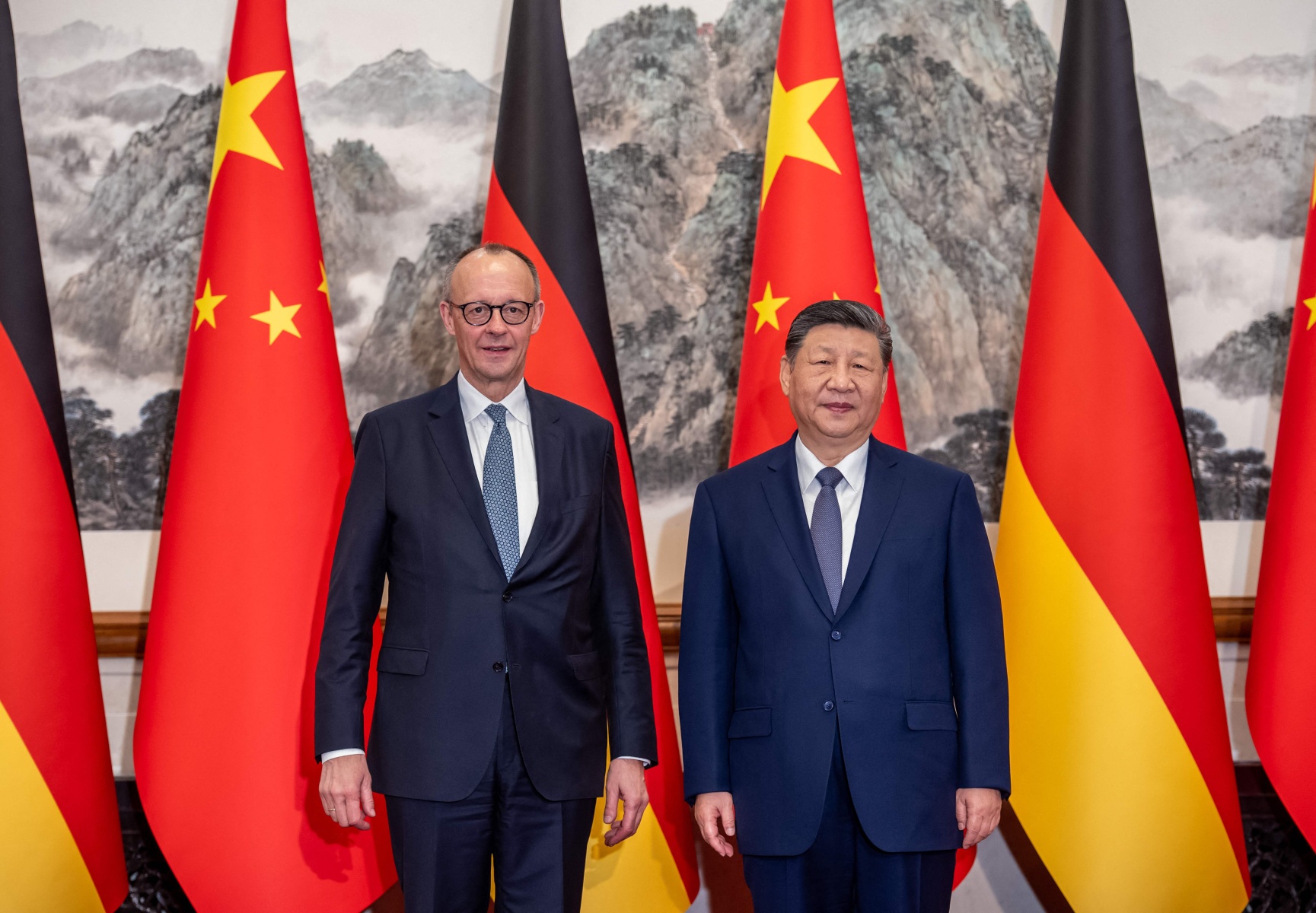
In February 2022, Beijing launched Eastern Data Western Compute (EDWC), a national megaproject to compute data from China’s developed eastern areas in its rural western regions, which enjoy a regional advantage due to plentiful renewable energy and lower average temperatures.
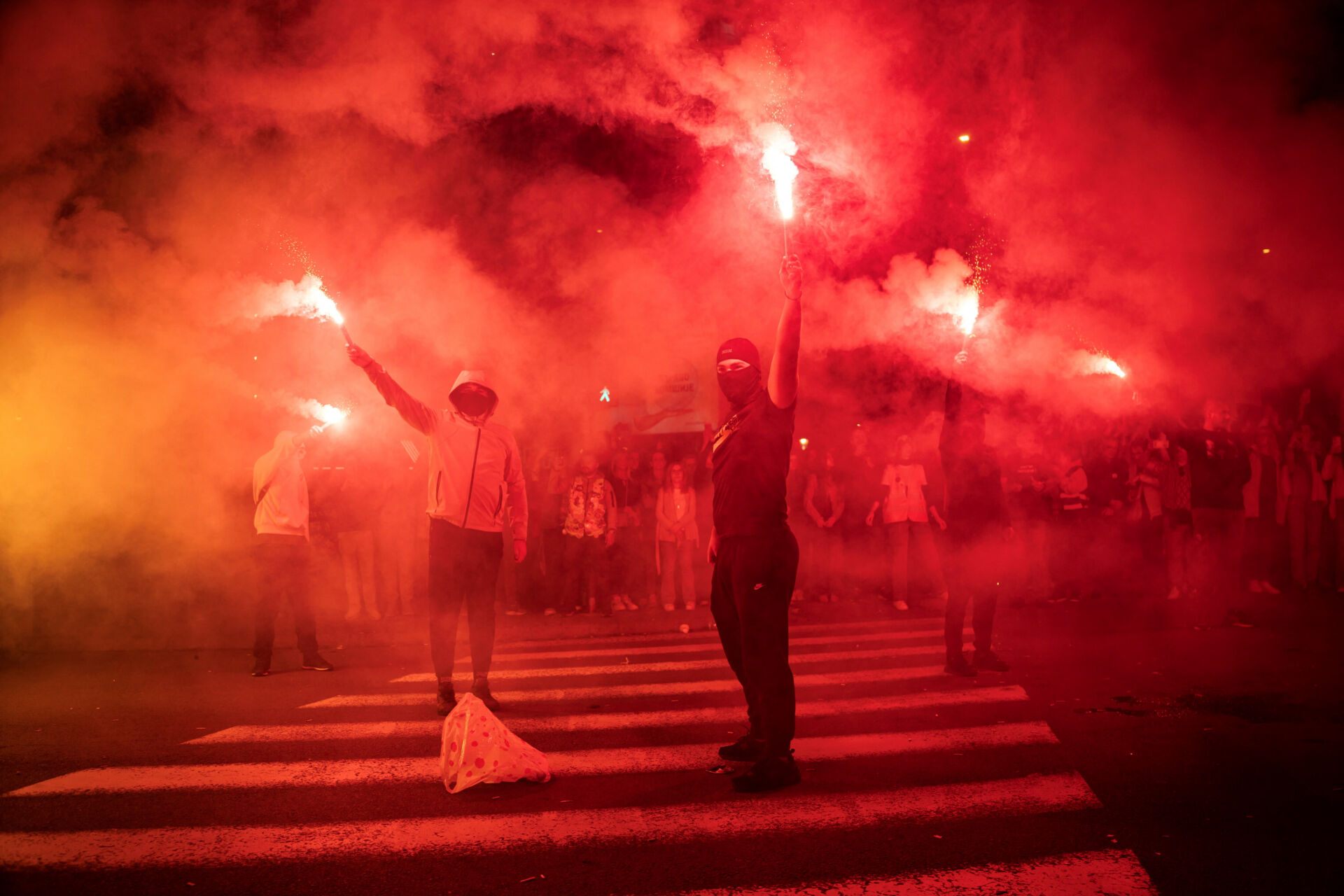
Russian anti-war grassroots initiatives in Europe largely originated from small groups of emigrants who, in 2021, organised rallies in support of Alexei Navalny. Russia’s full-scale invasion of Ukraine in 2022 sparked a wave of activism by Russian immigrants.
Europe’s previous security strategy towards the Sahel region, anchored in French-led operations and EU capacity-building missions, failed to deliver a lasting impact. Ambitions were unrealistic, given the region’s vast needs, and efforts misaligned with local elites who prioritised regime survival over reform. Europe had little leverage once coups unfolded, and the juntas chose to realign with alternative partners.
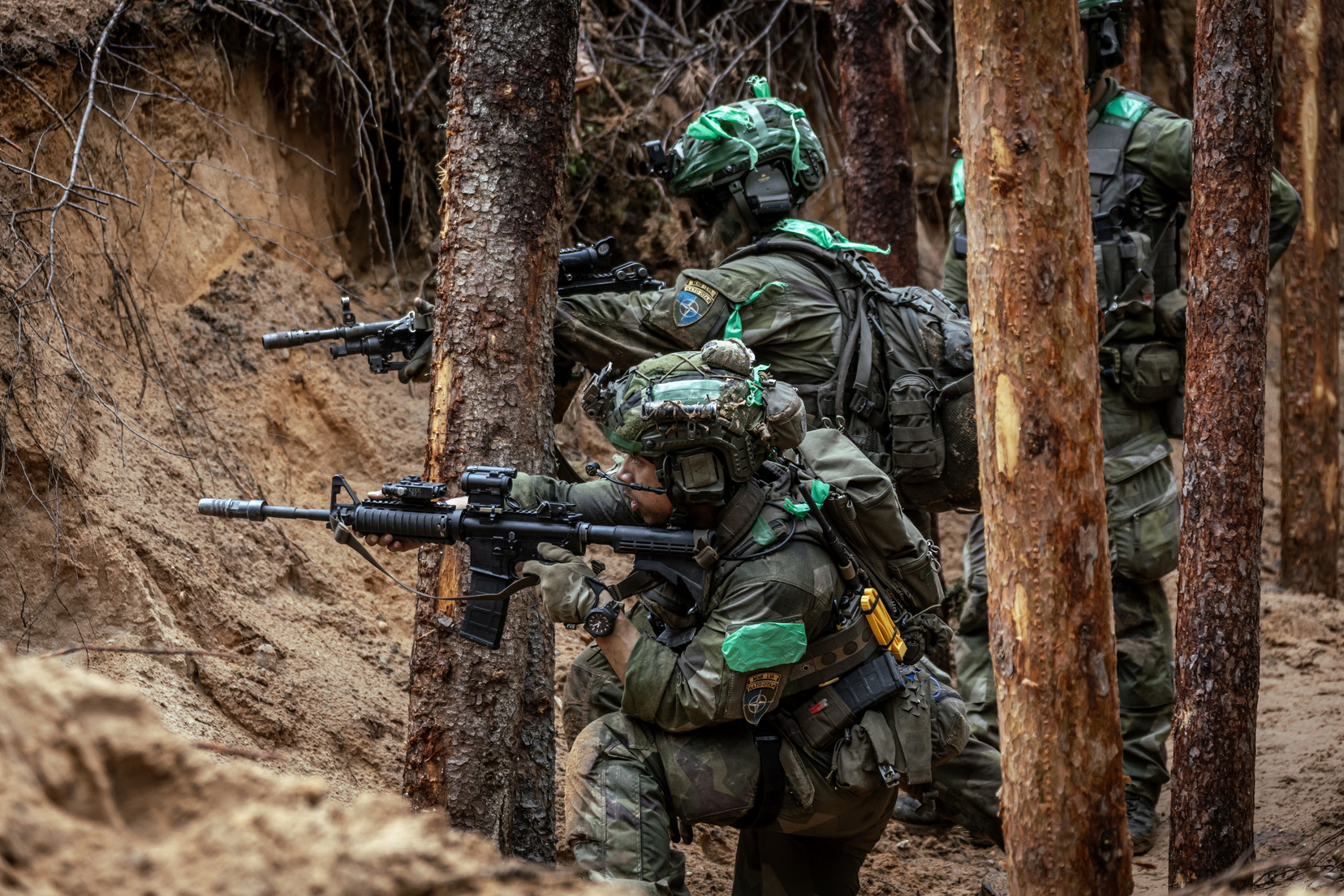
In a string of incidents beginning in late 2023, commercial ships severed numerous pipelines and cables under the Baltic Sea. Departing from its insistence that the primary responsibility to respond to hybrid threats rests with targeted countries, NATO launched military activities which saw Allied ships and aircraft deploy to the region to deter and counter further attacks. These episodes highlighted both the need for states bordering the Baltic Sea to ensure a safe maritime environment, and the shortfalls in their capacity to do so at present.
Accounting for over 10% of world trade, the Red Sea is an essential waterway and a chokepoint for international shipping. Piracy, instability, and inter-state conflict are long-term challenges that have kept regional and extra-regional powers engaged in contributing to the security of the area. Since 19 October 2023, the Red Sea attacks on commercial shipping by the Yemen-based Houthi movement (Ansar Allah) have only raised the stakes.
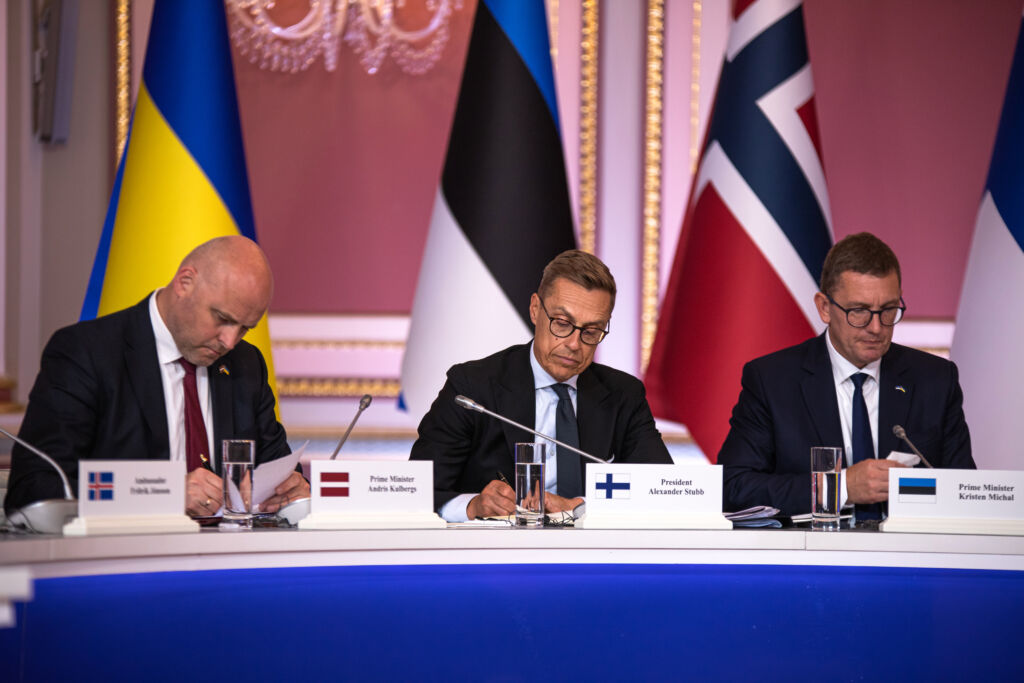
The 8th edition of the Tallinn Digital Summit, taking place on 9-10 October 2025 at the National Library of Estonia, Tallinn, offers a unique invitation-only forum for constructive and pragmatic dialogue among leaders from political, business, innovation, financial, digital, and defence domains.
The 19th Annual Baltic Conference on Defence (ABCD), organised by the International Centre for Defence and Security and the Estonian Ministry of Defence, took place on 23-24 September 2025 in Tallinn, Estonia.
The 18th annual Lennart Meri Conference took place on 16-18 May 2025 in Tallinn, Estonia. Three days packed with insights by distinguished policymakers, analysts, politicians, military officials and academia from around the globe in Tallinn, Estonia.