10.09.2025
Seminars
Japan Chair Seminar: The EU in the Volatile Indo-Pacific Region
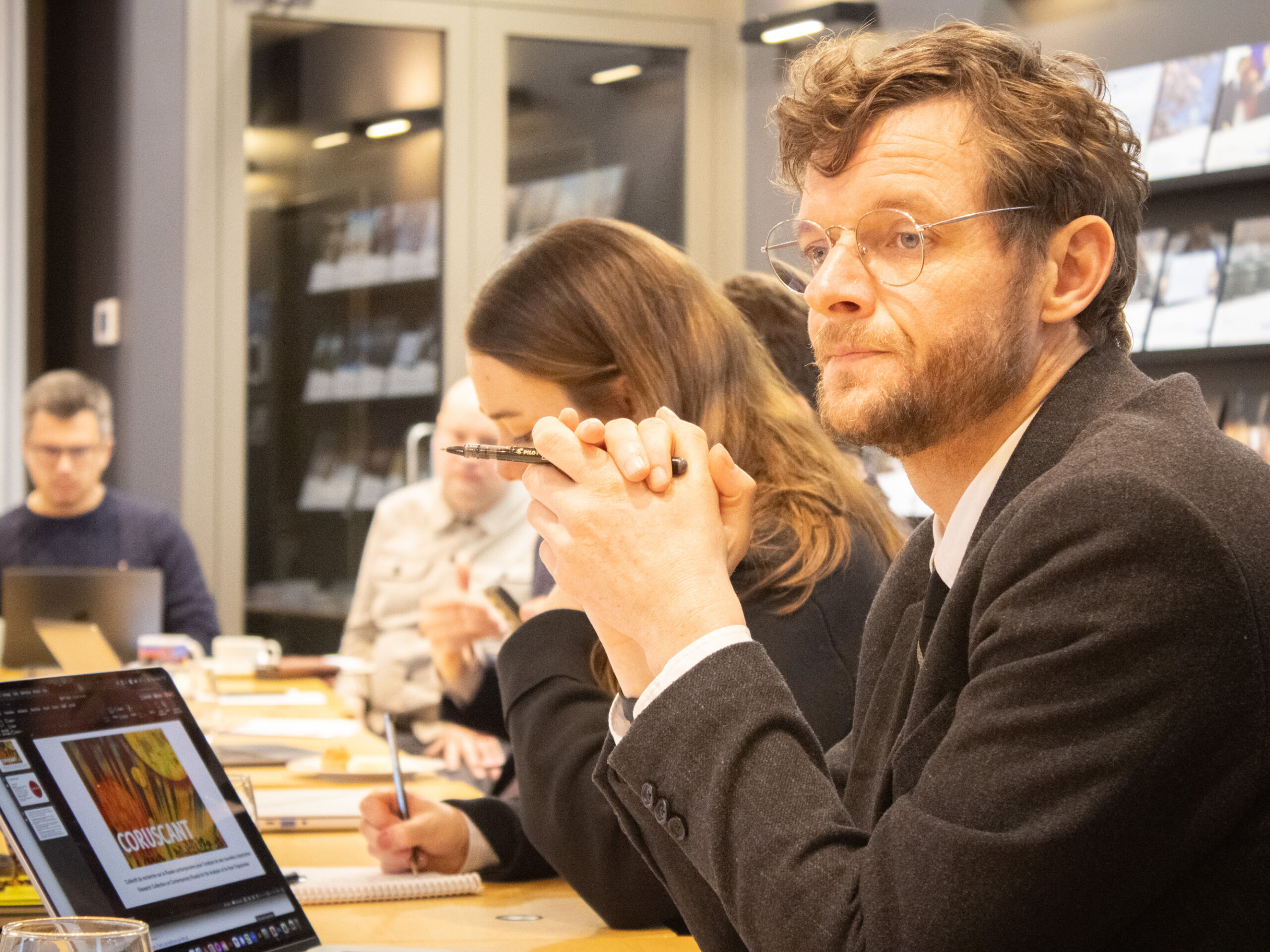
On 10 September 2025, the ICDS hosted a seminar on the EU in the volatile Indo-Pacific region.
The Indo-Pacific is the theatre of the great geopolitical competition between the US and China. It is also linked to the European theatre: China supports Russia through trade and the provision of material for the war in Ukraine; North Korea provides troops that take active part in that war; Russia conducts joint naval activities with China in the South China Sea and in the Sea of Japan. In the context of US-China rivalry and growing Russia-China ties, what role can the EU play in a volatile Indo-Pacific?

The event began with a keynote presentation by Theresa Fallon, founder and director of the Centre for Russia Europe Asia Studies (CREAS) in Brussels. Ms Fallon spoke about the ‘unexpected alliance’ between China, North Korea, and Russia, as well as Russia’s systemic balancing, ‘regional hedging’, and ‘diversification of stocks’ in the Indo-Pacific region.
Her presentation was followed by a panel discussion on the regional and subregional perspectives on the volatile Indo-Pacific: EU-ASEAN, the US, Japan, and AUKUS, moderated by Bart Gaens, Japan Chair at the ICDS.
Alfred Gerstl, President of CEIAS and Associate Professor at the Department of Asian Studies at Palacky University Olomouc (Czech Republic), focused on the role the EU plays and could realistically play in the Indo-Pacific—not as a great, but rather a middle power and a secondary actor, on the level of ASEAN—in the era of great power competition, the challenges arising from it, and the strategy the EU would need to overcome those.
Paul O’Shea, Associate Professor in East and South-East Asian Studies at Lund University, spoke about the political environment in Japan and the (un)likely changes in the Japanese government, as well as the effect that the nine months of the Trump administration have already had on the dynamics and alliances in the Indo-Pacific, particularly formats involving Japan and India.
Monique Taylor, University Lecturer in World Politics in the Faculty of Social Sciences at the University of Helsinki, shifted the focus onto Australia, speaking about the evolution of the AUKUS partnership and its future under the current US administration, implications for the EU, and the possibility of engaging other European actors.
Promoted by the questions from the audience, the panel also discussed practical recommendations—beyond security—for Europe moving forward.
The Japan Chair is supported by the Government of Japan.